
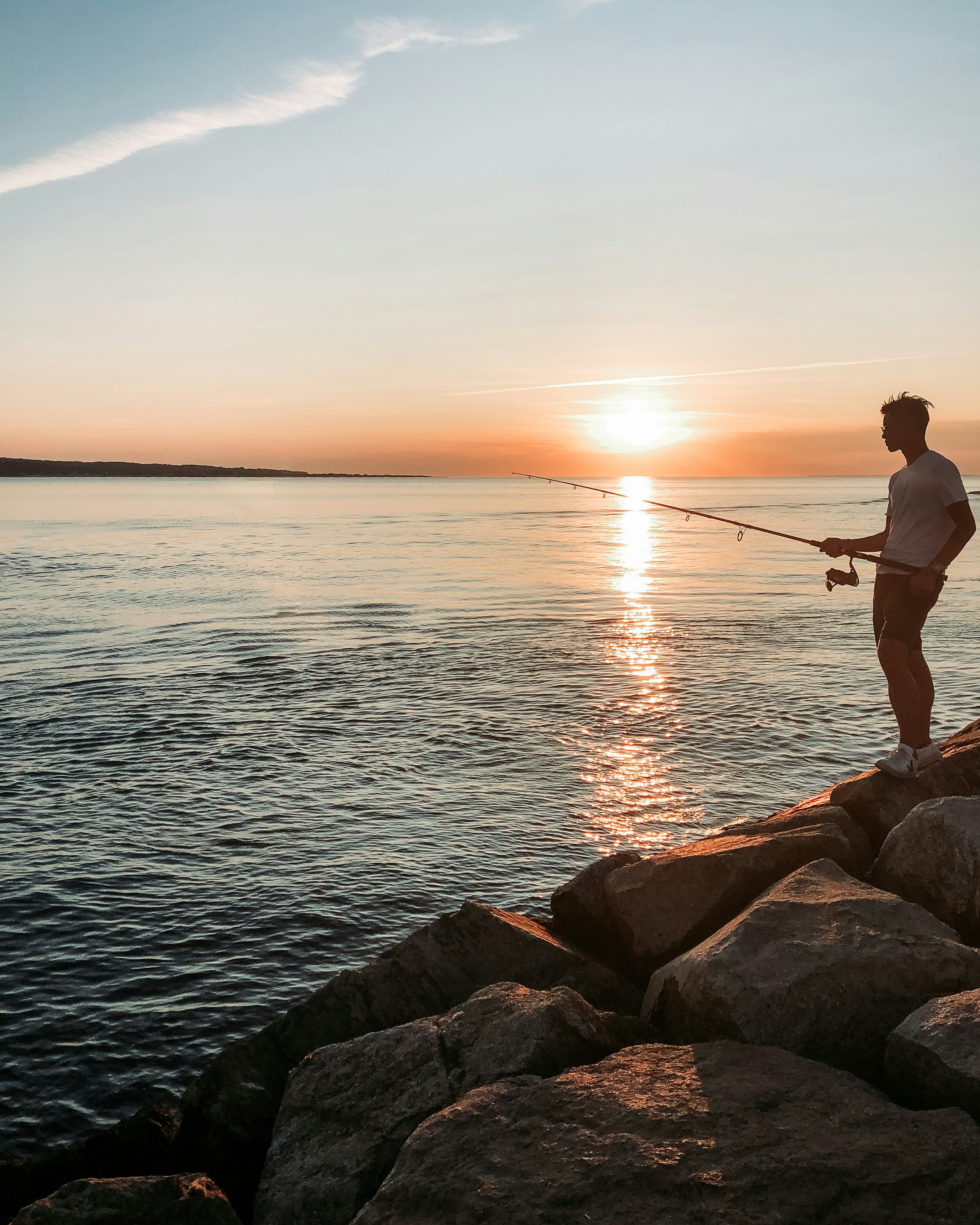
The Southern Pacific coast of Costa Rica is one of the great fishing destinations in the world. From standing in the surf at Playa Ventanas at dawn casting for roosterfish, to kayaking river mouths for snook, to running 30 miles offshore for blue marlin in waters that stay productive year-round — the variety of fishing accessible from Vista Bendita is extraordinary.
This guide covers everything: the rules, the licenses, the species, the locations, and how to fish each type of water.
First — The Rules & Licenses
Do You Need a License?
Yes. Whether you’re fishing offshore, inshore, or in freshwater, Costa Rica law requires a fishing license. Every angler over the age of 16 must carry a valid fishing license issued by INCOPESCA — the Costa Rican Institute of Fisheries and Aquaculture.
License types and costs (2025):
Boat fishing (offshore/inshore): 8-day license: ~$17 USD 30-day license: ~$28 USD Annual license: ~$57 USD
Shore/Kayak fishing license: ~$10 USD annual
Spearfishing license: Separate category — required for snorkel spear fishing.
Freshwater fishing: According to INCOPESCA, there is no freshwater fishing license required in Costa Rica. As long as you stay out of protected areas and don’t trespass, you are allowed to fish rivers and lakes. Always verify this hasn’t changed before your trip.
How to get your license: Online at the INCOPESCA website (boat license only). In person at INCOPESCA offices (requires passport, passport photo, payment). Most professional charter operators will help you purchase a license upon arrival or include it in the trip cost — confirm before booking.
Key Regulations
Mandatory catch and release: Billfish (marlin, sailfish) and roosterfish must be released immediately. Snap a photo and return them to the water. These are protected species in Costa Rica.
Bag limits: Only 5 fish per boat per day regardless of the number of anglers.
Protected areas: Fishing is banned inside national parks and marine reserves. This includes Marino Ballena National Park waters — you cannot fish from shore or by boat inside the park boundaries.
Gear restrictions: Spearfishing with oxygen/SCUBA tanks is prohibited. Barbless hooks are encouraged.
Minimum ages: Minors under 16 years old are not permitted to participate in sport fishing from a boat. Shore and kayak fishing has no minimum age restriction.
No fishing inside Marino Ballena: The marine park extends offshore from the beaches — be aware of boundaries before anchoring and casting.
Surf Fishing
The Experience
Standing at the edge of the Pacific casting into the surf at dawn is one of the most accessible and underrated fishing experiences near Vista Bendita. No charter required. No boat. Just a rod, a license, and the ocean.
The best surf fishing locations near Vista Bendita include Playa Hermosa, Dominicalito Beach, the Barú River bridge, and beaches near Ojochal. Early mornings and late afternoons are most productive. Strong tides around new moon or full moon also trigger feeding activity.
Target Species from Shore
Roosterfish — The iconic inshore trophy of Costa Rica’s Pacific coast. Available year-round from shore and in the Golfo Dulce. Average 10–15 lbs from shore, but 50-lb fish are encountered. Catch and release mandatory. Recognized by the dramatic comb-like dorsal fin — one of the most dramatic-looking fish you’ll encounter.
Jack Crevalle — Fast, aggressive, school in large numbers. Often underestimated — these strong, fast swimmers provide nonstop action. Good eating and no size/bag limit concerns.
Cubera Snapper — Tough, aggressive, capable of crushing even heavy gear. Found near rocky structures, they provide heart-pounding battles and are excellent eating. Around the rocks at Playa Ventanas and reef structures near Ojochal.
Snook — Peak season September–November and during rainy months. Found at river mouths, estuaries, and mangroves. The Barú River mouth and Terraba-Sierpe estuary are productive snook spots.
Barracuda, Sierra Mackerel, Jacks — Year-round from shore, particularly around rocky points and structure.
Gear for Surf Fishing
A medium-heavy spinning rod (2.4–3m) paired with a saltwater-resistant reel (at least 3000–4000 size) is the sweet spot. Durability and saltwater resistance matter more than brand names here. 20–30lb braided line with a fluorocarbon leader. Lures: spoons, poppers, swimbaits, live sardines when available.
Best times: Dawn to 9AM and 4–6PM. Full and new moon tides produce the best action.
Best spots from Vista Bendita: Playa Ventanas — rocks and structure at the cave point Playa Dominicalito — river mouth, protected cove Barú River bridge and mouth — snook territory Playa Hermosa (Uvita) — long beach break, consistent roosterfish action Beaches south of Ojochal — less pressure, more solitude
Kayak Fishing
Why Kayak Fishing Here is Exceptional
A fishing kayak opens up water that charter boats can’t reach — the shallow estuaries behind Playa Tortuga, the mangrove channels of the Terraba-Sierpe, the rocky coves around Playa Ventanas, and the protected bay waters of Bahía Ballena. You’re low to the water, quiet, and able to position precisely on structure.
A separate shore/kayak fishing license is required for fishing from a kayak or stand-up paddleboard in ocean waters. Annual cost approximately $10 USD.
Best Kayak Fishing Spots
Bahía Ballena / Uvita Bay — Roosterfish, snapper, and jacks around the rocky structures near the Whale’s Tail point. Calm in the mornings, stay inside the bay. Do not fish inside Marino Ballena park boundaries.
Playa Ventanas cove — The rocky structure around the sea caves holds cubera snapper and jacks. Access by launching from the beach. Calm in the morning.
Terraba River mouth / Isla Garza — Snook, jacks, and mangrove snapper in the brackish estuary channels. Bring a paddle leash — the river current can surprise you.
Playa Tortuga estuary — The river mouth behind Playa Tortuga holds snook, particularly September through November. Navigate the river crossing carefully depending on tide.
Dominicalito cove — A protected launch point with access to the rocky structure south of the cove. Roosterfish and snapper.
Gear & Tips
Sit-on-top kayaks work best in these conditions — easier to re-enter if capsized in surf. Bring a waterproof bag for your phone and tackle. Launch in the early morning when the Pacific is calmest. Never paddle outside protected coves in afternoon chop.
Spearfishing — With Freediving Uvita
~25 min to Uvita · <a href=”https://freediving-uvita.com/”>freediving-uvita.com</a> · License required
Spearfishing in these waters is a completely different experience from anything you can do on a charter or from shore. You’re in the water, on a breath hold, hunting fish in their environment. The Southern Pacific reefs around Uvita, the rocky structure at Playa Ventanas, and the offshore systems near Caño Island hold an extraordinary variety of species.
We went out with Freediving Uvita and it was exceptional. Their team lives in the water — these are serious freedivers who know the local reefs, the fish behavior, and how to put you on fish safely. The parrot fish we landed was a genuinely satisfying catch — colorful, powerful, and excellent eating.
What you need:
A spearfishing license is a separate category from the standard boat or shore fishing license — it covers SCUBA and snorkel spear fishing and must be purchased in person at INCOPESCA. Cost is approximately $10–15 USD annually. Bring your passport and a passport photo.
Important regulations:
Spearfishing with oxygen/SCUBA tanks is prohibited in Costa Rica — all spearfishing must be done on a breath hold (freediving). This is both the legal standard and the ethical one — it keeps the fishery sustainable and makes the hunt genuinely skill-dependent.
Protected species: Roosterfish, billfish, and all species within Marino Ballena National Park boundaries are off limits. Your guide will know exactly where you can and cannot hunt.
Target species by reef: Parrot fish — Colorful, meaty, excellent eating. Found on reef structure. Our personal catch ✅ Snapper (Pargo) — Multiple species around rocky structure and reef edges. Prime table fish Grouper — Deep rocky structure. Powerful fish that will try to pull into a hole the moment it’s hit — technique matters Jack Crevalle — Fast, open water, requires a longer shot and quick reflexes Wahoo — Occasional blue water encounter for advanced freedivers Triggerfish — Good eating, found near coral and rocky outcroppings
Who this is for: Freediving Uvita runs spearfishing charters for all experience levels — from guests who have never free-dived before to experienced spearos. They provide all equipment including speargun, wetsuit, mask, and fins. No freediving experience required for beginner trips — they teach breath-hold technique before entering the water.
Contact: <a href=”https://freediving-uvita.com/”>freediving-uvita.com</a> — Book in advance, especially in peak season. Small groups only.
Freshwater & River Fishing
Local Rivers — No License Required
The rivers around Ojochal, Dominical, and Uvita offer accessible fishing with no license required. The Barú River, the General River tributaries, and the smaller streams feeding into the Terraba-Sierpe system all hold fish.
Machaca (Brycon guatemalensis) — Nicknamed “mini-tarpon” for their silver scales and great leaping ability, machaca are a favorite among freshwater anglers because they almost always strike at the surface and put on a great show once hooked. Found throughout the rivers around Ojochal and Dominical. Hit small poppers and baitfish lures. Excellent sport on light tackle.
Guapote / Rainbow Bass (Parachromis dovii) — Known locally as “guapote” (the handsome one), these are the prized freshwater game fish of Costa Rica. Aggressive feeders that like to ambush from heavy cover. Early mornings find them in shallower water. Found in the larger river pools and slower sections of the General River and its tributaries.
Tilapia — Found in freshwater fisheries and brackish waters of slow-moving estuaries. Love underwater structures and sunken trees. Feisty but less aggressive than rainbow bass. Abundant in the river systems near Ojochal — good table fish and easy to target for family fishing.
Snook — Found in the tidal sections of rivers near the coast. The Barú River near Dominical and the Terraba River near Sierpe both hold snook, particularly in rainy season.
River Access Tips
The General River (~1 hr inland) offers the most accessible fishing for guapote and machaca in a spectacular mountain-river setting. Pull over at river access points and wade the shallows. Ask locals for current access — most river banks are accessible without trespassing. Bring wading shoes or water sandals. Watch for current changes after rain — rivers in this region rise fast.
Inshore Fishing — Bay & Reef
Target Species Inshore
Roosterfish — Costa Rica’s signature inshore trophy — powerful, beautiful, and available year-round from every major Pacific port. Mandatory catch and release. Best action May through November for consistent roosterfish along the southern Pacific coast.
Cubera Snapper — Year-round. Rocky reefs and structure around Isla Ballena, the rocks near Playa Ventanas, and the offshore reefs between Uvita and Ojochal. Excellent eating — one of the best-tasting fish in the Pacific.
Pacific Snapper (Pargo) — Multiple species. Abundant around reef structure. Good table fish, no catch-and-release requirement.
Grouper — Bottom fishing around structure. February and March are particularly productive for grouper, alongside congria, tilefish, and barrelfish.
African Pompano, Bluefin Trevally — Both common around the Golfo Dulce and offshore reefs. Excellent sport fish.
Jack Crevalle, Amberjack — Year-round around reef structure and current edges.
Wahoo & Dorado — When the water is clear, wahoo and dorado venture close to shore. Typically April–September.
Inshore Operators
<a href=”https://ballenatourcostarica.com/”>Ballena Tour Costa Rica</a> — Half and full day charters from Uvita
<a href=”https://www.thecostaricatoursite.com/dominical-uvita/Sport_Fishing.php”>The Costa Rica Tour Site</a> — 33′ private charter from Uvita, half and full day
Martin Adventours — Private half-day inshore charters from Bahía Uvita, departs near La Fogata Pizzeria
Half day cost: ~$800–1,000 USD for the boat (up to 5 anglers) · Full day: ~$1,300–1,500 USD
Deep Sea / Offshore Fishing
Target Species Offshore
Sailfish — Peak season December to April on the Pacific coast. Mandatory catch and release. One of the most spectacular game fish in the ocean — aerial displays and blistering runs.
Blue Marlin, Black Marlin — Available offshore year-round, with peak action varying by season. Mandatory catch and release.
Yellowfin Tuna — Blue and black marlin, mahi-mahi, and yellowfin tuna dominate the offshore waters May through August. Excellent eating — can be kept.
Dorado / Mahi-Mahi — Year-round but most consistent May–November when weed lines form offshore. Fast, colorful, excellent table fish.
Wahoo — Fast, aggressive, and excellent eating. Often encountered around FADs and current edges offshore.
Offshore Seasons at a Glance
December – April: Sailfish peak, marlin active, calm seas May – June: Transition — tuna and dorado increasing July – October: Tuna and dorado dominant, marlin present November: Transition back to sailfish season Year-round: Wahoo, dorado, various tuna species
Offshore Operators
<a href=”https://www.thecostaricatoursite.com/dominical-uvita/Sport_Fishing.php”>The Costa Rica Tour Site</a> — 33′ private charter departing Uvita. Half day ~$810 USD / full day ~$1,350 USD for the boat. Up to 5 fishermen, additional passengers $60 each.
Martin Adventours — Half and full-day offshore charters from Bahía Uvita.
Full day offshore: Depart 7AM, return 3–4PM. Bring motion sickness medication if prone.
Fishing Calendar — Species by Month
January: Sailfish, roosterfish, snapper — Dry season, calm seas, excellent conditions February: Sailfish, grouper, tarpon (rare) — Bottom fishing peak March: Sailfish, grouper, roosterfish — Dry season tail end April: Marlin increasing, roosterfish — Transition month May: Tuna, dorado, roosterfish — Green season begins June: Tuna, dorado, wahoo — Offshore action peaks July: Tuna, dorado, inshore variety — Whale season begins August: Tuna, dorado, roosterfish, snook — Peak green season fishing September: Snook, roosterfish, cubera snapper — River mouth snook at peak October: Roosterfish, snapper, inshore — Transition month November: Sailfish returning, inshore variety — Transition back to dry season December: Sailfish, marlin, roosterfish — Dry season begins
Practical Notes for Every Type of Fishing
Always fish in the morning. Pacific swells build through the afternoon. Offshore and inshore departures should be 7AM or earlier. Surf fishing is best at dawn.
Tides matter for shore fishing. Strong tides around new moon and full moon produce the best surf fishing action. Check the tide chart before heading out.
Bring your own gear or rent locally. Charter operators provide all tackle and bait for offshore and inshore trips.
Keep only what you’ll eat. Snap a photo and release billfish and roosterfish immediately.
Spearfishing license is separate. The standard shore/kayak or boat license does not cover spearfishing. Freediving Uvita can advise on the current process when you book.
Quick Reference
Surf fishing — Shore license ~$10/yr — Walk from Vista Bendita — Free after license — Roosterfish, jacks, snapper Kayak fishing — Shore license ~$10/yr — 10–25 min drive — Free after license — Snook, snapper, roosterfish Spearfishing — INCOPESCA spear license ~$10/yr — 25 min to Uvita — Tour cost — Parrot fish, snapper, grouper ⭐ River / freshwater — None required — 15–60 min drive — Free — Machaca, guapote, tilapia, snook Inshore bay charter — Included or ~$30/person — 25 min to Uvita — ~$800–1,500/boat — Roosterfish, snapper, grouper Offshore deep sea — Included or ~$30/person — 25 min to Uvita — ~$1,000–1,500/boat — Sailfish, marlin, tuna, dorado
Questions about fishing near Vista Bendita? Leave a comment or contact us directly — we’re happy to connect you with the right operator for your target species and budget.
Stay at Vista Bendita
After a day exploring waterfalls, beaches, whale watching tours, restaurants, and rainforest adventures, relax in the peaceful mountain setting of Vista Bendita overlooking Costa Rica’s South Pacific coast.
Enjoy ocean views, tropical wildlife, a private pool, and easy access to some of the region’s best experiences near Ojochal and Uvita.
More Details & Local Travel Tips
We’ve created a growing collection of travel guides, local recommendations, and insider tips to help you make the most of your stay at Vista Bendita and your time exploring Costa Rica’s South Pacific coast.
Browse our blog for information on:
- Restaurants and cafes in Ojochal & Uvita
- Beaches, waterfalls, and national parks
- Whale watching, snorkeling, and outdoor adventures
- Shopping, grocery stores, and local markets
- Travel tips, driving advice, and packing recommendations
- Wellness, relaxation, and hidden local gems
Whether you’re planning your itinerary or simply looking for inspiration after you arrive, our guides are designed to help you experience the region like a local.
Explore the Vista Bendita Travel Blog
Leave a Reply