
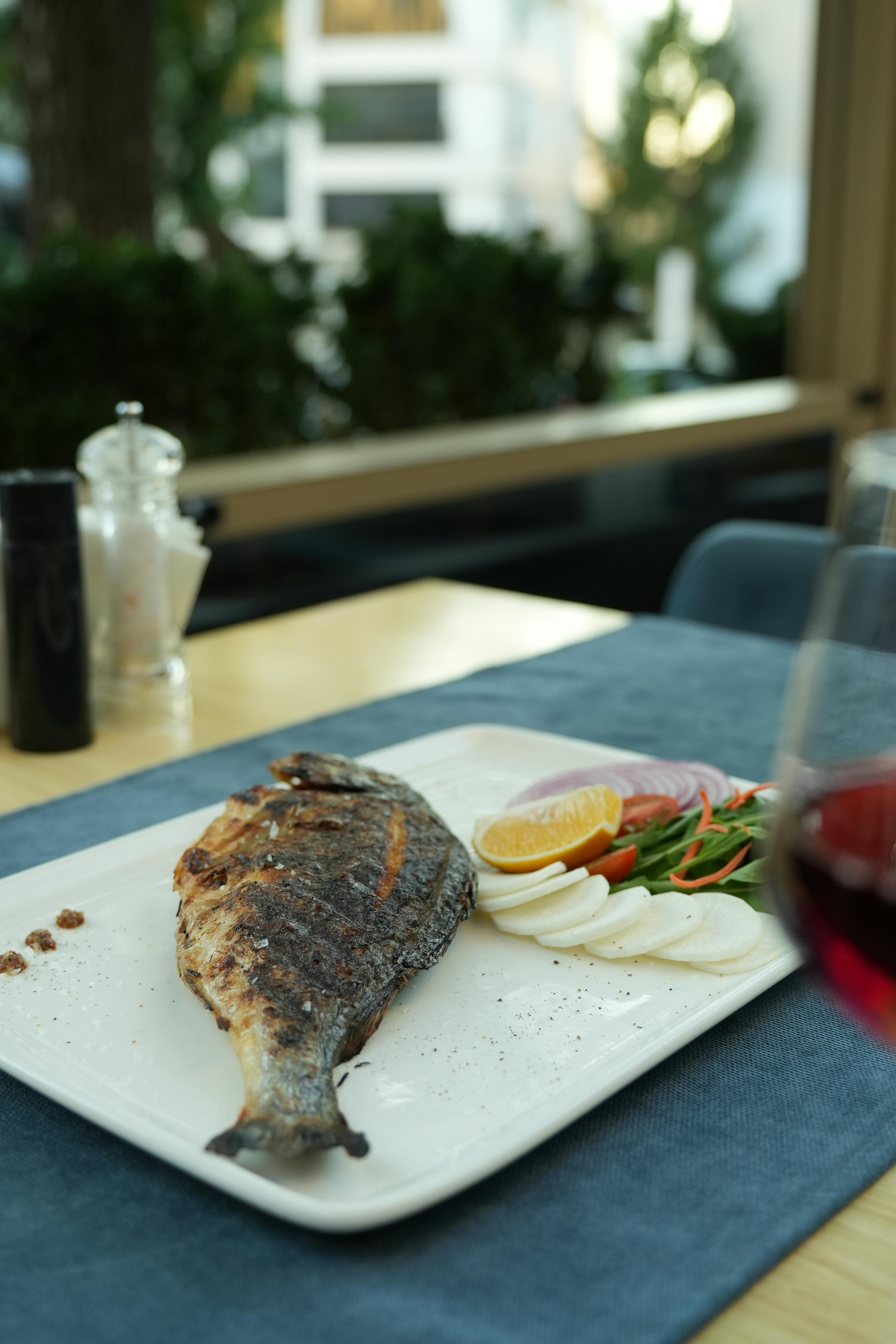
The best meal of any trip to Costa Rica’s Southern Pacific coast isn’t always at a restaurant. It’s the one you make yourself — with fish pulled from the Pacific that morning, limes from the market in Uvita, and cold beers from the fridge while the sun goes down over the pool.
Vista Bendita’s fully equipped kitchen was made for this. Here are four recipes we cook at the property — or cook with what the ocean provides on luckier days.
Where to Get the Fish
If you caught it yourself: Perfect. Fillet it fresh, rinse in cold water, and get started. The parrot fish we caught spearfishing with Freediving Uvita went straight into foil that evening — one of the best meals of the trip.
If the sea had other ideas:
Pescadería El Coral — Ojochal · Our first recommendation. Fresh local catch, friendly, reliable. Ask what came in that morning — pargo (snapper), mahi-mahi, corvina, and robalo (snook) are the ones to look for.
El Pescado Fresco — Uvita · Fresh tuna, mahi-mahi, and red snapper sourced locally. Good backup if El Coral is out of what you want.
Roadside pescaderías on Route 34 — Look for hand-painted Pescado signs along the highway between Ojochal and Dominical. Local fishermen selling directly from their homes — often the freshest fish available and priced accordingly. Cash only, arrive early.
Uvita Saturday Feria — The weekly farmers market in Uvita sometimes has fresh fish and always has the limes, cilantro, and produce you need for all four recipes.
Recipe 1 — Pacific Ceviche
This is the version made up and down the Costa Ballena coast — bright, clean, and genuinely refreshing after a morning at the beach. The key is fresh fish and enough lime to fully cook it. This is not a dish where you cut corners on citrus.
Serves: 4 as a starter, 2 as a main · Time: 20 minutes prep + 30–45 minutes marinating
Ingredients
- 500g (about 1 lb) fresh white fish — corvina, pargo (snapper), or mahi-mahi, skinless and boneless
- 8–10 limes, freshly squeezed (~¾ cup juice) — don’t substitute bottled
- 1 small red onion, very finely diced
- 1–2 jalapeños or local chiles, seeds removed, finely diced (adjust to heat preference)
- 1 large handful fresh cilantro, roughly chopped
- 1 medium tomato, seeds removed, finely diced
- Salt to taste · Black pepper to taste
- Optional: 1 small cucumber, finely diced
To serve: Tostadas, crackers, or patacones · Avocado, sliced · Hot sauce (Lizano is the local standard)
Method
1. Cut the fish. Dice into roughly 1.5cm (½ inch) cubes — uniform size matters so it all “cooks” evenly in the lime juice. The colder the fish when you start, the better.
2. Marinate in lime. Place the diced fish in a non-reactive bowl (glass or ceramic — not metal). Pour over the lime juice — every piece of fish should be submerged or at least coated. Cover and refrigerate for 30–45 minutes, stirring once halfway through. The fish will turn from translucent to opaque as the acid cooks it. Don’t go much longer than 45 minutes or the texture gets rubbery.
3. Drain and season. Pour off about half the lime juice — you want the fish moist but not swimming. Add the red onion, chile, tomato, and cilantro. Season generously with salt and a little black pepper. Taste and adjust.
4. Serve immediately. Pile onto tostadas or serve in a bowl with avocado and tostadas alongside. Cold beer or a fresh fruit agua fresca alongside.
Local Notes
Corvina is the traditional ceviche fish in Costa Rica — mild, firm, and flakes beautifully after marinating. Pargo (snapper) is our preference when available — slightly more flavor. Mahi-mahi works well too.
The onion trick. If raw red onion is too sharp for you, soak the diced onion in cold water for 10 minutes before adding. It tames the bite while keeping the crunch.
Recipe 2 — Foil-Baked Pacific Fish
This is exactly how we cooked the parrot fish the evening we came in from spearfishing with Freediving Uvita. Simple on purpose — when the fish is that fresh, it doesn’t need much. The foil traps the steam, the garlic and butter do the rest, and the whole thing is done in 20 minutes.
Works with any firm white fish: parrot fish, snapper, grouper, corvina, mahi-mahi, sea bass. Works with fillets or a whole fish.
Serves: 2 · Time: 5 minutes prep, 15–20 minutes in the oven
Ingredients
- 2 fresh fish fillets, skin on or off (about 180–200g / 6–7oz each)
- 3 tablespoons unsalted butter, cut into small pieces (or good olive oil)
- 3 garlic cloves, thinly sliced
- 1 lime, half sliced into rounds, half reserved for serving
- Fresh herbs — cilantro, parsley, or a few sprigs of thyme
- Salt and black pepper
- Optional: sliced cherry tomatoes, thin-sliced jalapeño, capers, a splash of white wine
Method
1. Preheat your oven to 200°C / 400°F. Vista Bendita’s oven runs true — 20 minutes at 200°C is the sweet spot for fillets about 2cm thick.
2. Build your foil packet. Tear a sheet of aluminum foil large enough to fold over the fish with room to seal. Place the fillet in the center. Season generously with salt and black pepper on both sides.
3. Add your flavors. Scatter the sliced garlic over the fish. Lay lime rounds on top. Dot the butter pieces around and on top of the fish. Add fresh herbs. If using tomatoes, jalapeño, or capers, add them now. A splash of white wine if you have an open bottle is a good idea.
4. Seal the packet. Fold the foil over the fish and crimp the edges tightly to create a sealed packet — you’re trapping the steam, which does the cooking. Don’t press the foil down on the fish itself.
5. Bake. Place on a baking tray and bake for 15–20 minutes depending on thickness. The fish is done when it flakes easily with a fork at the thickest point.
6. Open and serve. Open the foil carefully — hot steam will escape. Slide the fillet onto a plate with all the juices from the packet poured over. Squeeze the reserved lime half over everything. Serve immediately.
Variations We’ve Tried
Asian-inspired: Swap butter for sesame oil, add ginger with the garlic, a splash of soy sauce, and top with sliced scallions after opening the packet.
Mediterranean: Olive oil instead of butter, cherry tomatoes, capers, olives, a few slices of lemon, and fresh parsley.
Spicy local: Butter base, but add sliced local chiles, a spoonful of Lizano sauce, and finish with fresh cilantro.
Recipe 3 — Gallo Pinto with Grilled Fish
Gallo pinto is Costa Rica’s national dish — rice and black beans cooked together with Lizano sauce, sweet peppers, and cilantro until they’re inseparable. Every Tico eats this at breakfast, lunch, and dinner. Once you learn to make it properly you’ll understand why.
We serve it alongside grilled salmon or whatever fresh fish came from El Coral that morning. The combination is simple and completely satisfying — the kind of meal that makes you not want to go to a restaurant.
Serves: 4 · Time: 15 minutes (using day-old rice — this is key)
Ingredients
For the Gallo Pinto:
- 2 cups cooked white rice — ideally made the day before and refrigerated overnight. Fresh rice turns mushy. This is non-negotiable.
- 1½ cups cooked black beans, drained but reserve the liquid
- ½ cup bean cooking liquid (or water if using canned)
- 1 small white or yellow onion, finely diced
- ½ sweet red pepper, finely diced
- 3 garlic cloves, minced
- 2 tablespoons Lizano sauce — the defining ingredient. Find it at any supermarket in Ojochal or Uvita for about $2 USD. There is no real substitute.
- 2 tablespoons neutral oil or butter
- 1 large handful fresh cilantro, roughly chopped
- Salt to taste
For the Grilled Fish:
- 2 fresh salmon fillets or firm white fish fillets (180–200g each)
- 2 tablespoons olive oil · 2 limes · 2 garlic cloves, minced
- Salt, black pepper · Fresh cilantro to finish
To serve: Sliced avocado · Natilla (Costa Rican sour cream) · Fried egg on top if serving for breakfast — the traditional way
Method
Gallo Pinto:
1. Sauté the aromatics. Heat oil in a large non-stick pan over medium-high heat. Add the onion and sweet pepper and cook until soft and slightly golden — about 5 minutes. Add the garlic and cook another minute.
2. Add the beans. Pour in the black beans and the reserved bean liquid. Stir and cook 2–3 minutes until the liquid reduces slightly and the beans are hot and fragrant.
3. Add the rice. Add the cold cooked rice and fold everything together — don’t stir aggressively or you’ll break the grains. The mixture should be slightly moist but not wet.
4. Add Lizano. Pour the Lizano sauce over everything and fold it through. This is where the dish transforms — the Lizano adds a smoky, slightly sweet, slightly spiced depth that is unmistakably Costa Rican. Taste and add more if you like.
5. Finish with cilantro. Remove from heat, fold through the fresh cilantro. Season with salt. Serve immediately.
Grilled Fish:
1. Marinate briefly. Mix olive oil, juice of one lime, and minced garlic. Season the fillets with salt and pepper, spoon over the marinade, and let sit 10–15 minutes while the grill heats up.
2. Grill. Oil the grill grates well. Cook skin-side down first over medium-high heat — 3–4 minutes without moving. Flip once and cook another 2–3 minutes until the fish flakes at the thickest point. Salmon should still be slightly pink in the center.
3. Rest and serve. Rest the fish 2 minutes. Squeeze fresh lime over the top. Plate alongside a generous mound of gallo pinto, sliced avocado, and natilla if you have it.
Local Notes
Lizano sauce is the non-negotiable ingredient. It’s a mild, slightly smoky vegetable-based sauce that has been made in Costa Rica since 1920. Every kitchen in the country has a bottle. Don’t skip it.
Day-old rice cannot be overstated. Make your rice the evening before, spread on a tray to cool, then refrigerate uncovered. Cold, dry rice fries properly. Warm fresh rice turns gallo pinto into porridge.
Recipe 4 — Pan-Fried Tilapia with Salsa Caribeña
This is soda-style cooking — the kind of food served at the small local restaurants tucked off the highway between Ojochal and Dominical. Pan-fried tilapia with a bright, slightly spiced tomato and sweet pepper salsa poured over the top. Fast, inexpensive, and genuinely delicious.
You can catch tilapia in the rivers near Vista Bendita or buy it at Pescadería El Coral. Either way it’s one of the most local meals you can make at the property.
Serves: 2 · Time: 20 minutes
Ingredients
For the Salsa Caribeña:
- 2 medium tomatoes, finely diced
- ½ small red onion, finely diced
- ½ sweet red pepper, finely diced · ½ sweet green pepper, finely diced
- 2 garlic cloves, minced · 1 tablespoon fresh cilantro, chopped
- 1 tablespoon Lizano sauce · Juice of 1 lime
- Salt and black pepper · 1 tablespoon olive oil or butter
- Optional: 1 small jalapeño or local chile, finely diced
For the Tilapia:
- 2 tilapia fillets (or whole tilapia, scored)
- 3 tablespoons neutral oil (vegetable or light olive oil)
- 1 teaspoon garlic powder · 1 teaspoon cumin · ½ teaspoon sweet paprika
- Salt and black pepper · Flour for dusting — 2–3 tablespoons
To serve: White rice · Gallo pinto (see Recipe 3) · Patacones or sliced fried plantain · Lime wedges · Sliced avocado
Method
Make the Salsa Caribeña first — it improves as it sits:
1. Sauté the base. Heat olive oil in a small pan over medium heat. Add the onion, sweet peppers, and garlic. Cook gently for 5 minutes until soft but not browned.
2. Add tomatoes. Add the diced tomatoes and cook another 3–4 minutes until they break down slightly and release their juice. The salsa should be saucy but still have texture.
3. Season. Add the Lizano sauce and lime juice. Season with salt, pepper, and the optional chile if using. Fold in the fresh cilantro. Remove from heat and keep warm.
Fry the tilapia:
4. Season and dust the fish. Mix garlic powder, cumin, paprika, salt, and pepper. Rub the spice mix onto both sides of the tilapia fillets. Dust lightly with flour — shake off the excess. The flour creates the golden crust.
5. Pan fry. Heat the oil in a heavy pan (cast iron is ideal) over medium-high heat until shimmering. Carefully lay the fillets in — don’t crowd the pan. Cook 3–4 minutes on the first side without moving until golden and crisp. Flip once and cook another 2–3 minutes. The fish is done when it flakes easily.
6. Rest briefly. Transfer to a plate lined with paper towel for 1 minute to drain excess oil.
7. Plate and pour. Place the tilapia on a plate and spoon the warm Salsa Caribeña generously over the top. Squeeze fresh lime over everything. Serve immediately alongside rice, plantains, and avocado.
Local Notes
Whole tilapia works beautifully with this recipe — score the fish 3 times on each side to the bone, rub the spice mix into the cuts, and fry in a wider pan with a little more oil. The skin crisps up and the salsa goes into the cuts. This is how it’s served at the local sodas.
Patacones alongside — buy green plantains from any supermarket in Ojochal. Peel, cut into thick rounds, fry in oil until golden, smash flat with the bottom of a glass, fry again until crisp. Salt immediately. They take about 15 minutes and are one of the best things you can eat in Costa Rica.
The salsa caribeña is versatile — make extra. It works on grilled fish, in tacos, over rice, or as a dipping sauce for patacones. Keeps in the fridge for 2 days.
A Note on Cooking with Local Catch
The fish in these waters is extraordinary — it didn’t travel far or sit in a cooler for days. Treat it simply and the quality shows. The biggest mistake with fresh Pacific fish is over-seasoning or over-cooking. Both recipes above are calibrated to let the fish do the work.
If you catch something and aren’t sure how to prepare it, ask us — we’re happy to suggest the right approach for what you’ve landed. And if you make any of these at Vista Bendita, leave a comment below with how it turned out.
Stay at Vista Bendita
After a day exploring waterfalls, beaches, whale watching tours, restaurants, and rainforest adventures, relax in the peaceful mountain setting of Vista Bendita overlooking Costa Rica’s South Pacific coast.
Enjoy ocean views, tropical wildlife, a private pool, and easy access to some of the region’s best experiences near Ojochal and Uvita.
More Details & Local Travel Tips
We’ve created a growing collection of travel guides, local recommendations, and insider tips to help you make the most of your stay at Vista Bendita and your time exploring Costa Rica’s South Pacific coast.
Browse our blog for information on:
- Restaurants and cafes in Ojochal & Uvita
- Beaches, waterfalls, and national parks
- Whale watching, snorkeling, and outdoor adventures
- Shopping, grocery stores, and local markets
- Travel tips, driving advice, and packing recommendations
- Wellness, relaxation, and hidden local gems
Whether you’re planning your itinerary or simply looking for inspiration after you arrive, our guides are designed to help you experience the region like a local.
Explore the Vista Bendita Travel Blog
Leave a Reply